


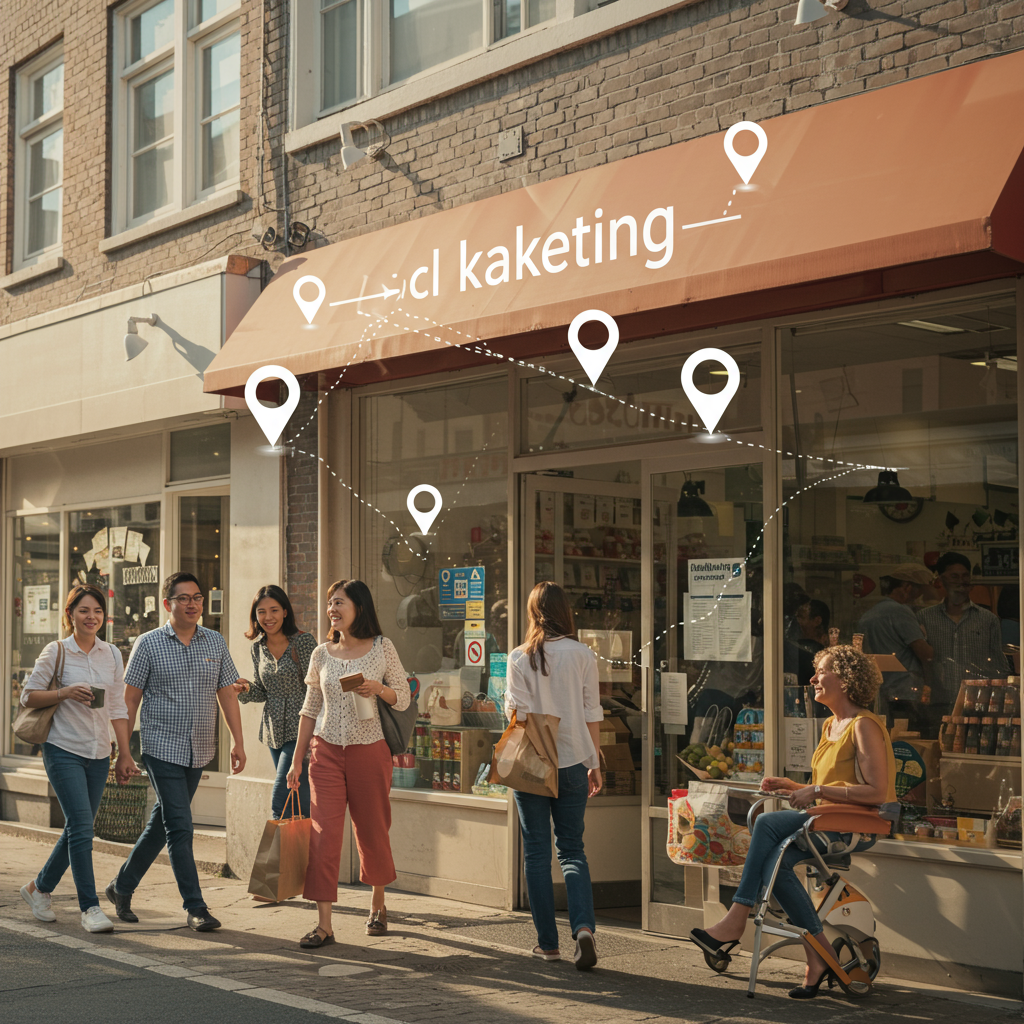
Local marketing helps small and medium businesses connect with their community, drive foot traffic, and boost online engagement. By understanding audiences, optimizing SEO, creating localized content, leveraging social media, and forming partnerships, businesses can enhance visibility, credibility, and revenue.
In todays competitive business landscape local marketing has become essential for small and medium sized businesses aiming to connect with their community and drive foot traffic or online engagement within their target area By focusing on localized strategies businesses can tailor their marketing efforts to the unique preferences and behaviors of their local audience.
Understand Your Local Audience

The foundation of any successful local marketing campaign is a deep understanding of your local audience Start by conducting market research to identify the demographics psychographics and shopping habits of the people in your area Use surveys social media listening and customer interviews to gather insights about their needs pain points and preferences Analyzing data from local competitors can also reveal gaps in the market that your business can fill By knowing who your customers are and what they want you can craft messages and offers that resonate
Optimize for Local SEO
Local search engine optimization (SEO) is essential for ensuring your business appears prominently when potential customers search for products or services in your area. Start by claiming and verifying your Google Business Profile (formerly Google My Business), ensuring that your business name, address, phone number, website URL, and hours of operation are accurate and up to date. A complete and verified profile increases your chances of showing in Google Maps, local search results, and the coveted local pack.
Incorporate location-based keywords naturally into your website content, meta titles, meta descriptions, headings, and URLs. For example, instead of just “coffee shop,” use “coffee shop in [Your City]” or “best café near [Local Landmark].” These keywords signal to search engines the geographic relevance of your business and improve rankings for local queries.
Encourage satisfied customers to leave positive reviews on Google and other review platforms, as reviews serve as social proof and influence both search engine rankings and customer trust. Respond to reviews promptly, thanking reviewers and addressing any concerns, as engagement shows that your business is active and values its customers.
Additionally, optimize your website for mobile users, as most local searches happen on smartphones. Ensure your site loads quickly, provides clear directions, and includes clickable phone numbers. Implement structured data (schema markup) to help search engines understand your business location, offerings, and operating hours. By combining a verified business profile, localized website content, customer reviews, and mobile-friendly design, your local SEO strategy can effectively increase visibility, attract nearby customers, and drive foot traffic or local conversions.
Leverage Google My Business and Other Directories
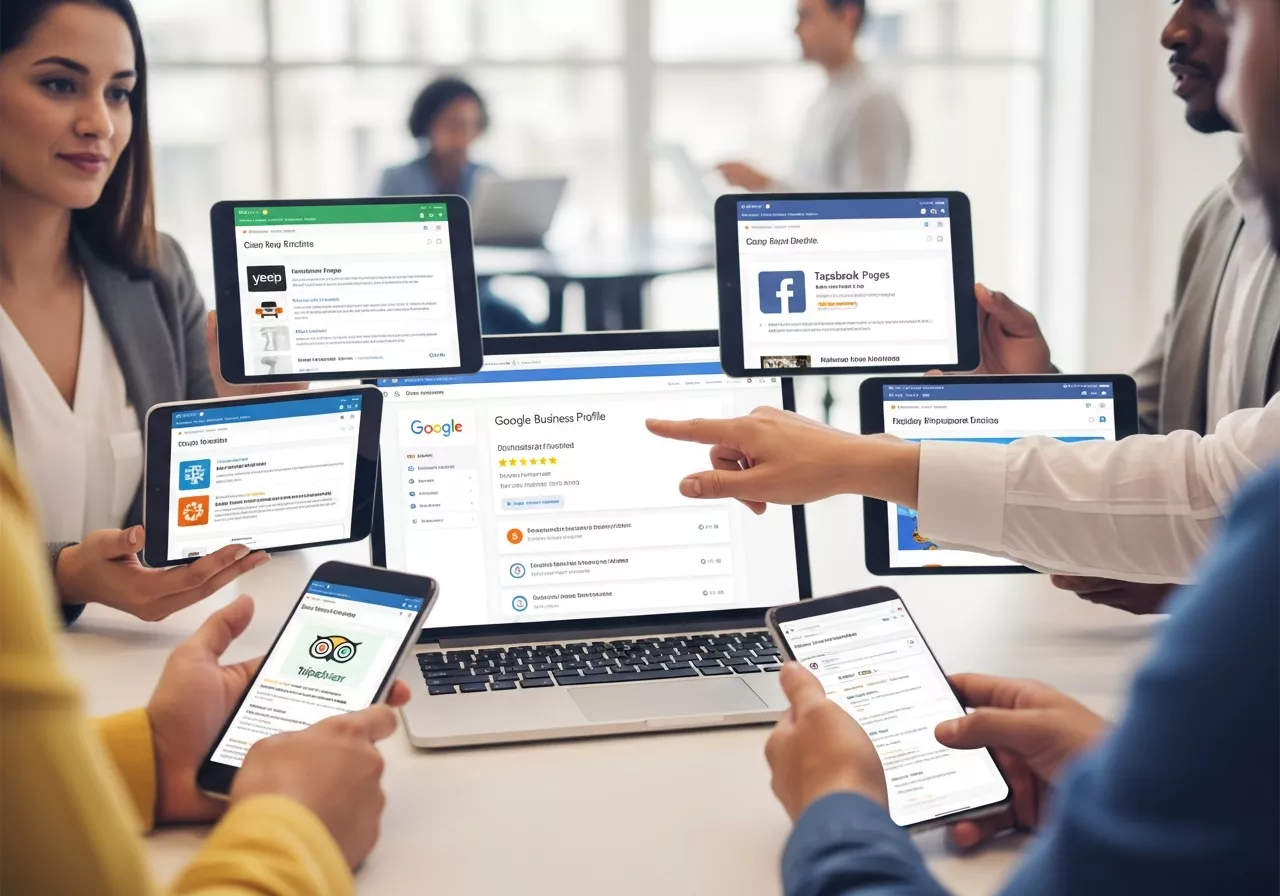
Having a well maintained business profile on Google My Business is just the start Expand your presence by listing your business in local directories such as Yelp TripAdvisor and industry specific platforms Ensure consistency across all listings including NAP data name address and phone number Consistent directory listings help search engines verify your location and boost your local search visibility Additionally directory listings can generate referral traffic and new leads
Create Localized Content Marketing
Content remains a cornerstone of effective marketing, even at the local level. To truly connect with your audience, tailor your content to address topics, events, and concerns specific to your community. For example, write blog posts, guides, or articles about upcoming local events, seasonal happenings, community initiatives, or news that intersects with your products or services. Highlighting these topics not only makes your content relevant but also positions your business as an engaged and trusted community member.
In addition to blog posts, consider creating localized video content, infographics, and social media posts that showcase your involvement in the community, spotlight local landmarks, or provide practical tips for residents. Incorporate local place names, neighborhoods, and well-known landmarks naturally within your content to improve relevance for search engines and attract visitors searching for local solutions.
Localized content also strengthens your local SEO, signaling to search engines that your business is relevant to searches within your area. Regularly updating content about local news, events, and trends keeps your audience engaged, encourages repeat visits, and increases the likelihood of shares on social media. By consistently delivering community-focused, valuable content, your business can establish authority, build trust, and attract more qualified local traffic that is likely to convert into loyal customers.
Engage With Your Community on Social Media
Social media platforms offer powerful tools to connect with your local audience Participate in local groups follow and tag neighboring businesses and engage with community influencers Share behind the scenes content highlight local events or showcase customer stories When you support local causes or host community meetups post about these activities to humanize your brand Encourage user generated content by running local contests or asking followers to share their experiences with your products
Partner With Local Businesses and Influencers
Collaborations can amplify your local reach Partner with complementary businesses for cross promotions joint events or bundled offers For instance a coffee shop could team up with a book store for a reading event joint discount or social media takeover Identify local influencers or micro influencers whose followers match your target audience and offer free products or sponsored content in exchange for honest reviews Their endorsements can boost your credibility and drive new customers to your business
Utilize Location Based Advertising
Digital advertising platforms such as Google Ads, Facebook Ads, and Instagram Ads allow businesses to target users based on specific geographic locations, ensuring your marketing reaches the most relevant audience. Techniques like geo-fencing enable you to serve ads to potential customers when they enter a defined radius around your store, your competitors’ locations, or key local landmarks.
Consider designing localized promotions, flash sales, or time-sensitive offers to encourage immediate visits or conversions. Use compelling call-to-action phrases such as “Come by today,” “Limited-time offer,” or “Exclusive local deal” to create urgency and drive foot traffic or online engagement.
By leveraging location-based ads, you can maximize ad spend efficiency, minimize wasted impressions, and ensure your marketing budget targets only those who are most likely to interact with your business. Additionally, tracking the performance of these ads provides insights into which locations or audience segments generate the highest engagement and conversions, allowing you to optimize campaigns for even better results.
Encourage and Manage Online Reviews
Online reviews play a crucial role in shaping a local business’s reputation, as many potential customers consult reviews before making purchase decisions. Encourage satisfied clients to share their experiences on popular platforms such as Google, Yelp, Facebook, and industry-specific directories, making it easy for them by providing direct links or simple instructions.
Responding promptly to all feedback—both positive and negative—shows that your business values customer opinions and prioritizes service quality. For positive reviews, express genuine appreciation and highlight key points to reinforce credibility. For negative reviews, handle them professionally and empathetically: acknowledge the issue, apologize if necessary, and offer a solution or compensation to resolve the problem.
By actively managing reviews, you can turn dissatisfied customers into loyal advocates, strengthen trust with your audience, and improve your overall online reputation. Regularly monitoring reviews also provides valuable insights into customer preferences, pain points, and areas for improvement, which can inform your local marketing and service strategies.
Host Local Events and Workshops
Hosting or sponsoring local events is one of the most effective ways to connect with your community in a meaningful, face-to-face way. Organize workshops, classes, seminars, or interactive sessions that align with your industry and provide tangible value to attendees. For instance, a kitchenware store could host cooking demonstrations, a fitness studio might run free exercise classes, or a marketing agency could offer digital marketing clinics or strategy workshops.
These events not only create memorable experiences but also foster word-of-mouth marketing and encourage attendees to share their experiences, generating valuable user-generated content for your brand. Consider adding interactive elements like Q&A sessions, contests, or hands-on activities to increase engagement and participation.
Capture photos, videos, and testimonials during your events and share them across your website, social media channels, and email newsletters to extend the reach beyond the attendees. Additionally, events provide excellent opportunities to collect leads, such as by requiring registration, offering exclusive discounts
Track Metrics and Adjust Your Strategy
Effective local marketing relies on continuous measurement and optimization Track key performance indicators KPIs such as website traffic from local searches conversion rates foot traffic and social media engagement Use tools like Google Analytics Google My Business Insights and social media analytics dashboards to gather data Analyze which tactics drive the most traffic and conversions and reallocate resources accordingly testing new ideas and discarding underperforming activities By maintaining a data driven approach you can refine your local marketing efforts for sustained growth
Conclusion
Local marketing provides businesses with unparalleled opportunities to strengthen community connections, boost brand visibility, and drive both in-store and online sales. By taking the time to understand your local audience, optimize your presence for local search, create engaging and relevant localized content, actively participate in community interactions, and continually track and measure your results, you can craft a marketing strategy that truly resonates with the people around you.
Implementing the 10 proven strategies outlined in this guide—ranging from local SEO.
Frequently Asked Questions (FAQ):
-
Why is local marketing important for small businesses?
Local marketing helps businesses build community trust, attract nearby customers, increase foot traffic, and generate targeted online engagement, leading to higher sales and long-term brand loyalty. -
How can I understand my local audience effectively?
Conduct market research using surveys, social media listening, customer interviews, and competitor analysis to identify demographics, interests, shopping behaviors, and unmet local needs. -
What is Local SEO and why is it crucial?
Local SEO ensures your business appears in search results for nearby customers. Optimizing Google My Business, using location-specific keywords, and encouraging reviews improves visibility and credibility. -
How can partnerships boost my local marketing efforts?
Partnering with complementary businesses or local influencers increases exposure, builds trust, and creates opportunities for co-promotions, events, or content collaborations that attract new customers. -
Which metrics should I track for local marketing success?
Monitor KPIs such as website traffic from local searches, conversion rates, social media engagement, foot traffic, online reviews, and event participation to evaluate effectiveness and adjust strategies. -
How can I leverage social media for local marketing?
Engage with local groups, highlight community events, showcase customer stories, collaborate with influencers, and encourage user-generated content to strengthen your local presence and brand loyalty. -
Why are online reviews important for local businesses?
Reviews influence purchasing decisions, enhance credibility, and improve search rankings. Responding to both positive and negative feedback professionally builds trust and encourages repeat business. -
What types of local events can businesses host?
Host workshops, classes, pop-ups, seminars, or community sponsorships related to your industry to create memorable experiences, drive engagement, and generate word-of-mouth promotion.




Leave a Reply