


Hyperlocal marketing targets customers in a specific nearby area using local SEO, geofencing, and community engagement. By creating relevant content, partnering with local influencers, leveraging social media, and tracking key metrics, businesses can boost foot traffic, loyalty, and conversions.
In today’s digital landscape, engaging customers right in your own neighborhood can set your business apart. Hyperlocal marketing focuses on reaching prospects within a close geographical radius—leveraging data, community partnerships, and targeted promotions to drive real-world visits and sales. Whether you run a cozy café, an independent retail shop, or a local service agency, mastering hyperlocal strategies can boost foot traffic, foster brand loyalty, and help you outperform competitors.
Understanding Hyperlocal Marketing
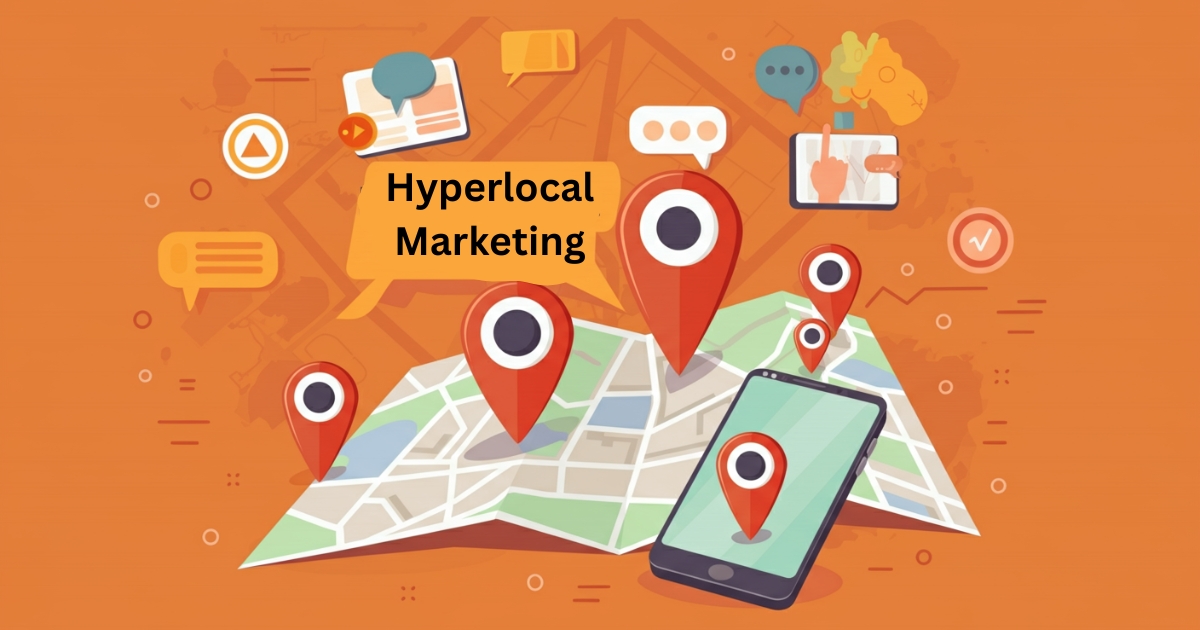
Hyperlocal marketing zeroes in on a specific, well-defined area—often within just a few miles of your storefront. Unlike broader local or regional campaigns, hyperlocal tactics tap into neighborhood dynamics, consumer behaviors, and real-time data to deliver timely, relevant messages. Key benefits include:
- Higher conversion rates from nearby audiences
- Improved cost efficiency by narrowing ad spend
- Stronger community relationships and word-of-mouth referrals
Conducting Neighborhood Market Research
Before launching any hyperlocal marketing campaign, it’s crucial to gain a thorough understanding of your target area. Effective research strategies include:
-
Local Surveys and Feedback: Gather insights directly from your customers by setting up in-store polls, distributing paper or digital questionnaires, and asking what promotions, events, or products they’d like to see.
-
Community Observation: Spend time in nearby coffee shops, parks, or public spaces to observe foot traffic patterns, peak hours, and local demographics, helping you understand consumer behaviour firsthand.
-
Data Analytics: Utilize tools like Google Analytics’ location reports, social media insights, and CRM data to identify clusters of high-value customers, uncover trends, and guide targeted hyperlocal campaigns.
By combining direct feedback, observation, and data-driven insights, you can craft marketing strategies that resonate with your neighbourhood audience and maximize local engagement.
Leveraging Local SEO for Hyperlocal Reach
Optimizing your online presence is critical. Focus on these SEO tactics:
- Google Business Profile: Claim and verify your listing. Keep your name, address, and phone number consistent. Post updates, respond to reviews, and upload local photos regularly.
- Localized Keywords: Target phrases like “coffee shop near me,” “plumber in [Neighborhood],” or “best yoga studio [Zip Code].” Include them in titles, headings, meta descriptions, and on-page content.
- Local Citations and Directories: List your business on Yelp, TripAdvisor, industry-specific directories, and local chambers of commerce sites. Ensure NAP consistency across platforms.
Harnessing Geofencing and Location-Based Advertising
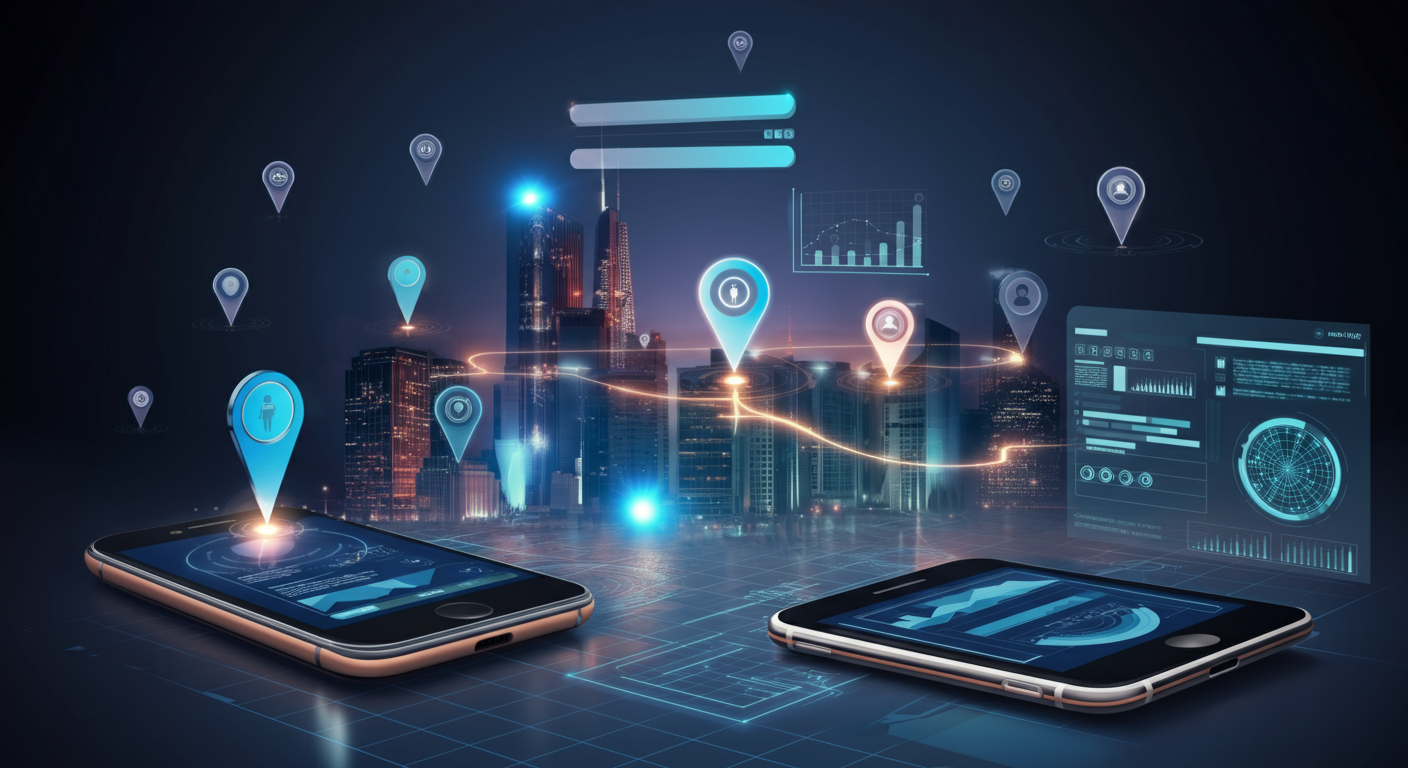
Geofencing enables businesses to target users within a specific radius of their store, delivering timely ads, push notifications, or event invites to drive local engagement.
Best Practices:
-
Set Clear Boundaries: Establish an exact geofence around your location or competitors’ venues. Typical radius: 200m–1km in urban areas.
-
Offer Time-Sensitive Deals: Promote limited-time offers like “Happy Hour” or “Lunch Specials” during peak hours to encourage immediate action.
-
Align Creative with Context: Use visuals of your storefront, staff, or recognizable local landmarks to build trust and relevance.
This approach ensures your promotions reach the right local audience at the right time, boosting foot traffic and conversions.
Building Genuine Community Relationships
Creating Locally Relevant Content
Crafting content that speaks directly to your local audience helps build trust, foster community engagement, and increase brand visibility. Key strategies include:
-
Neighborhood Spotlights: Share stories about local landmarks, community events, or customer experiences to position your brand as an integral part of the area.
-
Local Guides and Tips: Provide helpful resources such as downloadable guides—like “Top 5 Coffee Shops in [Neighborhood]”—to showcase expertise and capture email leads.
-
User-Generated Content: Encourage customers to tag your business on social media using a unique hashtag. Repost their photos and stories on your Instagram or Facebook pages to amplify engagement and create authentic local connections.
This approach not only strengthens relationships with nearby customers but also demonstrates your commitment to the community, boosting both loyalty and reach.
Partnering with Local Influencers and Businesses
Micro-influencers and fellow neighborhood entrepreneurs can amplify your message. Tips for successful collaborations:
- Identify Micro-Influencers: Seek out local bloggers, Instagrammers, or TikTok creators with engaged followings in your zip code.
- Co-Create Events or Offers: Host an influencer brunch or create an exclusive “influencer menu” that keeps fans talking.
- Cross-Promote with Nearby Brands: Bundle products—for example, a yoga studio discount with a health food store purchase—to deliver added value.
Utilizing Social Media for Local Engagement
Social media platforms like Facebook, Instagram, and Nextdoor are powerful tools for targeting your immediate neighborhood and fostering local engagement. Here’s how to make the most of them:
-
Geo-Tagged Posts and Stories: Always tag your location in posts and stories to increase visibility among local users. Encourage check-ins, offer small rewards, or run contests to boost participation and create a sense of community.
-
Local Groups and Forums: Actively participate in Nextdoor discussions, community boards, or neighborhood Facebook Groups. Share updates, answer questions, and provide helpful information to build trust and credibility with local audiences.
-
Live Video and Q&A Sessions: Use Instagram or Facebook Live to host tours, product demonstrations, behind-the-scenes looks, or Q&A sessions. This real-time interaction humanizes your brand, strengthens connections, and engages your neighborhood audience directly.
These strategies help businesses connect authentically with local customers, increase awareness, and drive foot traffic or local conversions.
Monitoring and Measuring Success
To ensure your hyperlocal marketing efforts are effective, it’s essential to monitor and analyze performance regularly. Key methods include:
-
Foot Traffic Analytics: Use Wi-Fi beacons, in-store sensors, or manual headcounts to track the number of visitors before, during, and after campaigns. This helps measure the direct impact of local promotions on physical store visits.
-
Redemption Rates: Track how many geofenced offers, coupons, or special deals are claimed within your defined radius. High redemption rates indicate strong campaign relevance and effective targeting.
-
Online Engagement Metrics: Monitor geo-tagged posts, localized ads, and social media content for impressions, clicks, comments, and shares. These metrics reveal how well your messages resonate with the local online audience.
-
Customer Feedback: Collect reviews, survey responses, and direct feedback to understand customer experiences and identify emerging neighborhood needs. Feedback can guide future promotions and community engagement strategies.
Regularly analyzing these metrics allows you to refine campaigns, allocate resources effectively, and enhance both online and offline engagement with your local audience.
Conclusion
Hyperlocal marketing seamlessly blends the precision of digital tools with the personal, human touch of community engagement, creating highly targeted strategies that resonate with local audiences. By conducting thorough neighborhood research, you gain insights into customer behaviors, peak traffic times, and local preferences, allowing your campaigns to be both relevant and timely. Optimizing your online presence through local SEO ensures that nearby prospects can easily find your business, while geofenced ads and location-based promotions drive immediate, actionable responses. Partnering with local influencers, neighboring businesses, and community organizations amplifies your reach and builds credibility within the area. By starting small, testing different approaches, analyzing results, and iterating on what works best, you create a dynamic, evolving strategy that strengthens customer loyalty and encourages repeat visits. With a consistent focus on both digital precision and genuine community connection, your next wave of loyal customers is not far away—it’s just around the corner, ready to engage with your brand.
Frequently Asked Questions
1. What is hyperlocal marketing?
Hyperlocal marketing targets a very specific geographic area, often within a few miles of your business, to reach nearby customers with tailored promotions, offers, and content.
2. How is hyperlocal different from regular local marketing?
While local marketing may cover a city or region, hyperlocal focuses on neighborhoods or small zones, leveraging highly targeted campaigns for higher relevance and better conversion.
3. Which businesses benefit most from hyperlocal strategies?
Small businesses with physical locations—like cafes, boutiques, gyms, salons, and service providers—gain the most from hyperlocal campaigns, as they can drive foot traffic and local awareness.
4. How can I optimize my online presence for hyperlocal marketing?
Key tactics include claiming a Google Business Profile, using localized keywords, maintaining consistent NAP (Name, Address, Phone) across directories, and generating locally relevant content.
5. What is geofencing, and how does it help?
Geofencing uses location-based technology to deliver ads or notifications to users within a defined radius. It helps promote time-sensitive offers, events, and promotions to nearby prospects.
6. How do I build community relationships for hyperlocal success?
Host local events, sponsor neighborhood initiatives, collaborate with nearby businesses, and engage with local influencers to foster trust and word-of-mouth promotion.
7. Which social media platforms work best for hyperlocal marketing?
Facebook, Instagram, and Nextdoor are ideal for neighborhood targeting. Use geo-tagged posts, local groups, and live Q&A sessions to connect with nearby audiences.
8. How do I measure the success of hyperlocal campaigns?
Track foot traffic, redemption rates of offers, online engagement metrics, and customer feedback to evaluate the effectiveness of your hyperlocal strategies.
9. Can hyperlocal marketing work for online-only businesses?
Yes—by targeting specific regions for ads, offering local delivery, or creating location-specific content, even online businesses can benefit from hyperlocal strategies.
10. What are common mistakes to avoid in hyperlocal marketing?
Avoid broad targeting, inconsistent messaging, neglecting local SEO, and failing to track results. Always test, optimize, and iterate based on real neighborhood data.



Leave a Reply