


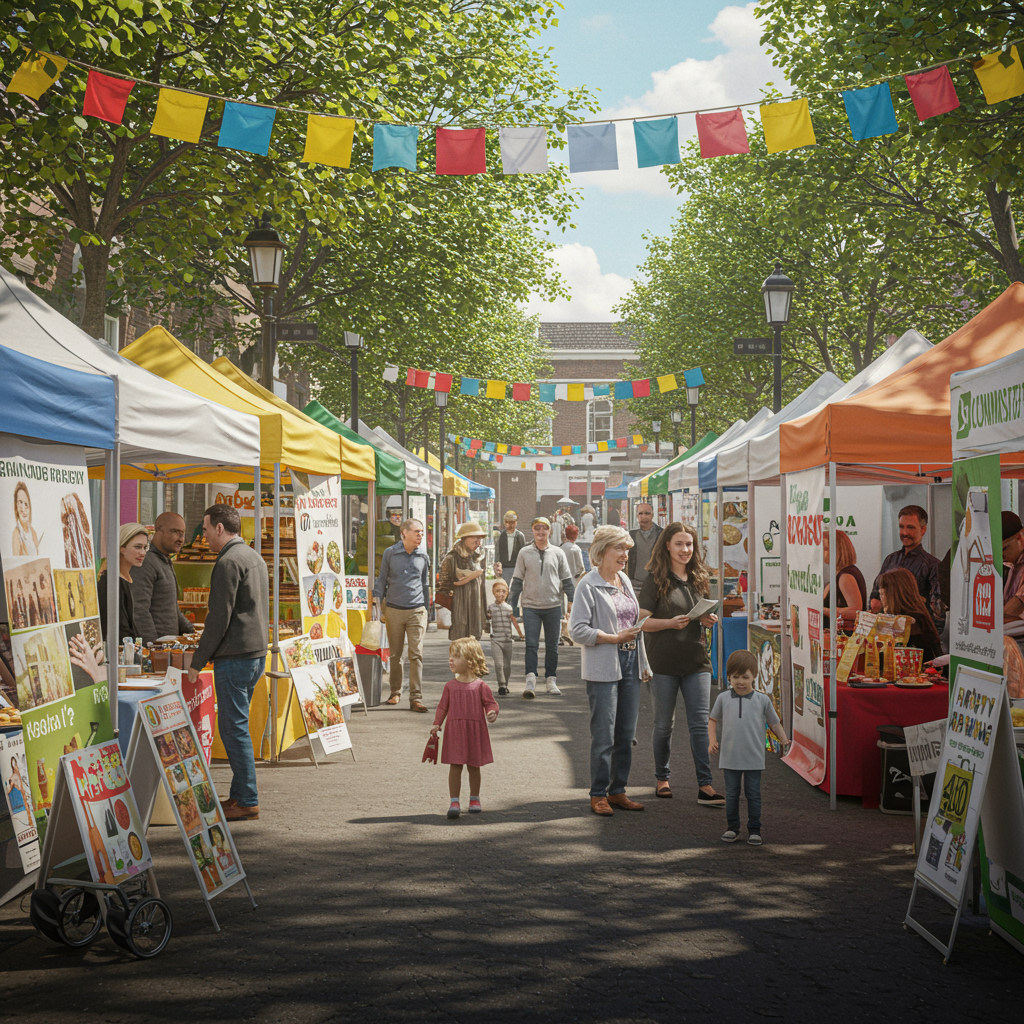
Community events are a powerful tool for local marketing, building trust, boosting brand visibility, and generating leads. By setting clear goals, selecting appropriate events, planning logistics, promoting effectively, engaging attendees, and analyzing results, businesses can maximize ROI and foster long-term loyalty.
In today’s competitive business landscape, connecting with your local audience is more important than ever. While digital channels play a crucial role, nothing beats the personal touch of face-to-face interaction. Community events offer a powerful platform for local marketing: they foster brand awareness, build trust, and turn casual observers into loyal customers. In this guide, we’ll explore why and how to leverage community events for maximum impact, from planning and promotion to execution and follow-up.
Why Community Events Matter in Local Marketing
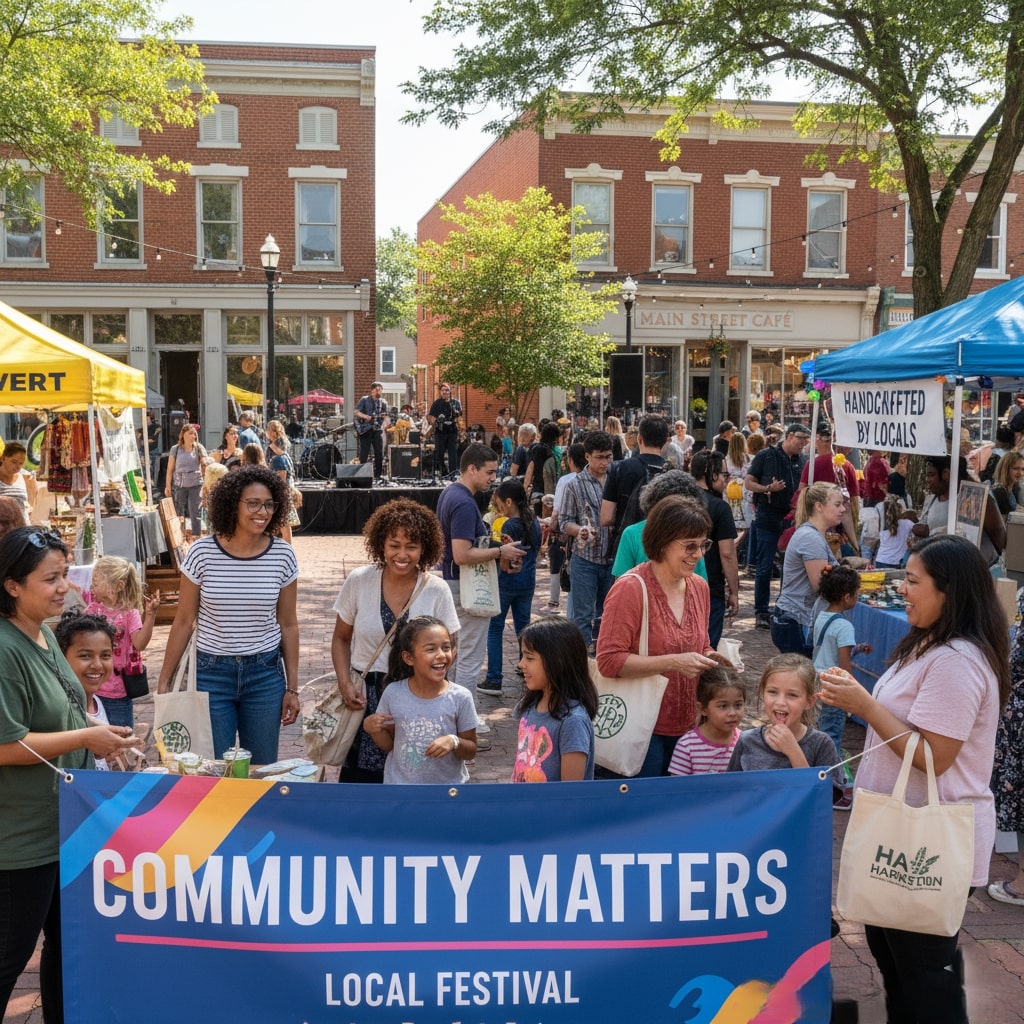
Community events provide an opportunity to engage your target audience on their home turf. Here’s why they matter:
- Personal Connection: Human interaction builds stronger relationships than online ads. Faces and conversations create lasting impressions.
- Brand Visibility: Booths, banners, and branded giveaways put your logo in front of attendees repeatedly throughout the day.
- Local Trust: Sponsors and participants in local events are seen as community-minded, boosting brand credibility.
- Immediate Feedback: You can test new products, gather opinions, and adapt your offerings on the spot.
- Content Opportunities: Photos, videos, and testimonials from live events provide authentic social media and blog content.
Step 1: Define Your Event Goals
Before diving into logistics, clarify what you want to achieve. Common objectives include:
- Generate leads and grow your customer database
- Raise brand awareness in a targeted neighborhood
- Launch a new product or service
- Strengthen community ties and goodwill
- Drive immediate sales or special promotions
Setting SMART goals (Specific, Measurable, Achievable, Relevant, Time-bound) ensures you can track success and calculate return on investment (ROI). For example: “Collect 200 qualified leads at the Springfield Summer Fest on July 20.”
Step 2: Choose the Right Event Type
Not all events fit every business. Consider these formats:
- Street Fairs and Festivals: High foot traffic and broad demographics make these ideal for general brand exposure.
- Farmers’ Markets: Attracts health- and community-oriented audiences; great for food, crafts, and wellness brands.
- Workshops and Seminars: Position yourself as an expert in a niche. Collect contact info from engaged attendees.
- Charity Runs and Fundraisers: Align your brand with local causes to build goodwill and positive PR.
- In-Store Open Houses: Invite neighbors for demos, product launches, or seasonal celebrations right at your premises.
Step 3: Plan Logistics and Budget
Proper planning prevents last-minute headaches. Key considerations include:
- Venue and Permits: Secure your space, obtain any local approvals, and confirm setup/breakdown times.
- Budget Allocation: Allocate funds for booth rental, promotional materials, staffing, giveaways, and refreshments.
- Staffing and Training: Select team members who are outgoing and knowledgeable. Provide talking points and FAQ sheets.
- Booth Design: Invest in a branded canopy, table covers, banners, and signage that reflect your brand colors and messaging.
- Giveaways and Incentives: Choose items that provide utility and keep your brand top of mind, such as reusable tote bags, pens, or discount coupons.
Step 4: Promote Your Event Effectively
To attract attendees, blend online and offline promotion:
- Social Media Campaigns: Create event pages on Facebook, schedule posts on Instagram, and use local hashtags like #SpringfieldFest.
- Email Newsletters: Announce your participation to subscribers and offer an event-only incentive to boost attendance.
- Local Partnerships: Collaborate with neighboring businesses to cross-promote. Share flyers in each other’s stores.
- Community Boards and Press Releases: Post on local bulletin boards, Nextdoor, and send press releases to community newspapers or radio stations.
- Paid Ads: Run geo-targeted ads on Google Ads and Facebook to reach potential attendees within a set radius of the venue.
Step 5: Engage Attendees On-Site
The day of the event is your chance to shine. Focus on these tactics:
- Interactive Experiences: Offer live demos, sampling, or mini-games that invite participation.
- Lead Capture: Use tablets or QR codes for easy newsletter sign-ups and feedback forms.
- Photo Wall or Selfie Station: Design a branded backdrop encouraging visitors to snap and share photos on social media.
- On-the-Spot Offers: Provide special discounts redeemable only at the event to drive immediate purchases.
- Staff Engagement: Ensure team members are proactive, approachable, and dressed in branded apparel.
Step 6: Measure and Analyze Results
After the event, assess performance against your SMART goals. Key metrics include:
- Number of Leads Collected: How many email addresses or contact details did you gather?
- Social Media Mentions and Engagement: Track event hashtags, shares, and comments.
- On-Site Sales: Compare revenue generated at the event against your budgeted costs.
- Website Traffic Spike: Did you see increased visits or conversions from your local advertising?
- Customer Feedback: Review surveys and informal comments to identify what worked and where you can improve.
Real-World Example: Neighborhood Coffee Shop Launch
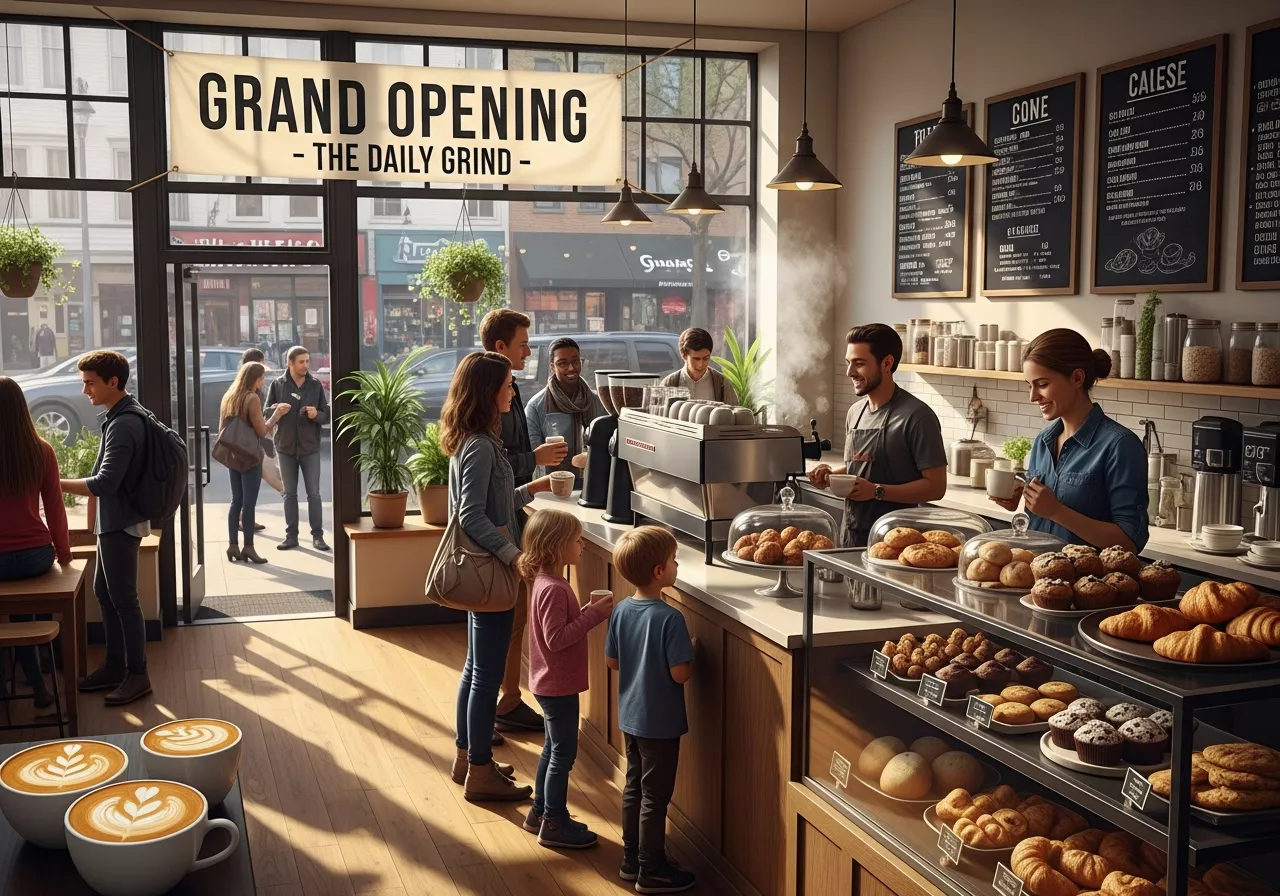
Imagine you’re opening “Bean There Café” in a bustling suburb. To create buzz and attract local customers, you partner with the local chamber of commerce to host a “Coffee Crawl” during a weekend street fair. The event is carefully designed to engage the community, showcase your offerings, and generate leads. Highlights include:
-
Free Sample Station: Attendees taste signature lattes, green tea blends, and freshly baked pastries. Sampling encourages trial, sparks conversations, and lets potential customers experience the quality of your products firsthand.
-
Latte Art Demo: Baristas host a mini-class, attracting coffee aficionados and social media enthusiasts alike. This interactive demonstration provides a memorable experience and positions your café as an expert in specialty coffee.
-
Passport Booklet: Visitors collecting stamps from three participating vendors receive a free cup of coffee at your café after opening day. This encourages foot traffic, promotes collaboration with neighboring businesses, and incentivizes repeat visits.
-
Social Contest: Anyone posting a #BeanThereMoment selfie at your booth is entered to win a one-month free coffee card. This tactic generates user-generated content, increases social media engagement, and extends the reach of your brand online.
Result: Within two days, Bean There Café gathers over 300 qualified leads, gains 500 social media followers, and secures front-page coverage in the local newspaper. The grand opening is a huge success, selling out in the first hour, and sets the stage for ongoing community engagement and long-term customer loyalty.
This example demonstrates how well-planned community events, combined with interactive experiences, incentives, and social engagement, can create measurable impact for a local business—turning first-time attendees into loyal customers and brand advocates.
Long-Term Engagement and Follow-Up
Your interaction shouldn’t end when the event does. Maximizing the return on investment (ROI) from community events requires ongoing engagement and follow-up strategies that keep your brand top-of-mind and nurture relationships with attendees. Consider these approaches:
-
Email Drip Campaigns: Send a series of targeted emails to new subscribers collected at the event. Start with a welcome email expressing gratitude for their visit, followed by emails that share special offers, educational content, behind-the-scenes stories, or product updates. Segment your audience based on their interests or the activities they engaged in during the event to make your messages more personalized and relevant. Consistent, value-driven communication helps convert one-time attendees into loyal customers over time.
-
Retargeting Ads: Utilize geo-targeted and behavior-based ads on platforms such as Facebook, Instagram, or Google Ads to reconnect with event attendees who visited your website but didn’t complete a purchase or sign up for your services. Retargeting reminds them of your brand, reinforces your messaging, and encourages them to take action, whether it’s redeeming a promotion, joining your loyalty program, or revisiting your store. By focusing on the people already familiar with your brand, retargeting maximizes ad efficiency and boosts conversion rates.
-
Loyalty Programs: Encourage attendees to join membership or VIP programs to incentivize repeat visits. Offer exclusive rewards, early access to products, or points for purchases made both online and in-store. Loyalty programs deepen the relationship with your audience, turning casual customers into brand advocates and encouraging long-term engagement. You can even integrate rewards for referring friends or sharing your event experiences on social media, further expanding your reach.
-
Future Event Teasers: Keep the momentum going by informing your community about upcoming workshops, pop-ups, or seasonal events. Send early invites or exclusive previews to attendees who participated in past events, making them feel valued and included. Highlighting what’s next not only maintains engagement but also builds anticipation, encourages repeat attendance, and strengthens your brand’s presence within the local community.
By implementing these strategies consistently, you extend the life of your event beyond a single day, cultivate lasting customer relationships, and transform initial interest into measurable business growth. Follow-up ensures that every effort you invest in community events continues to deliver value long after the event concludes.
Key Takeaways
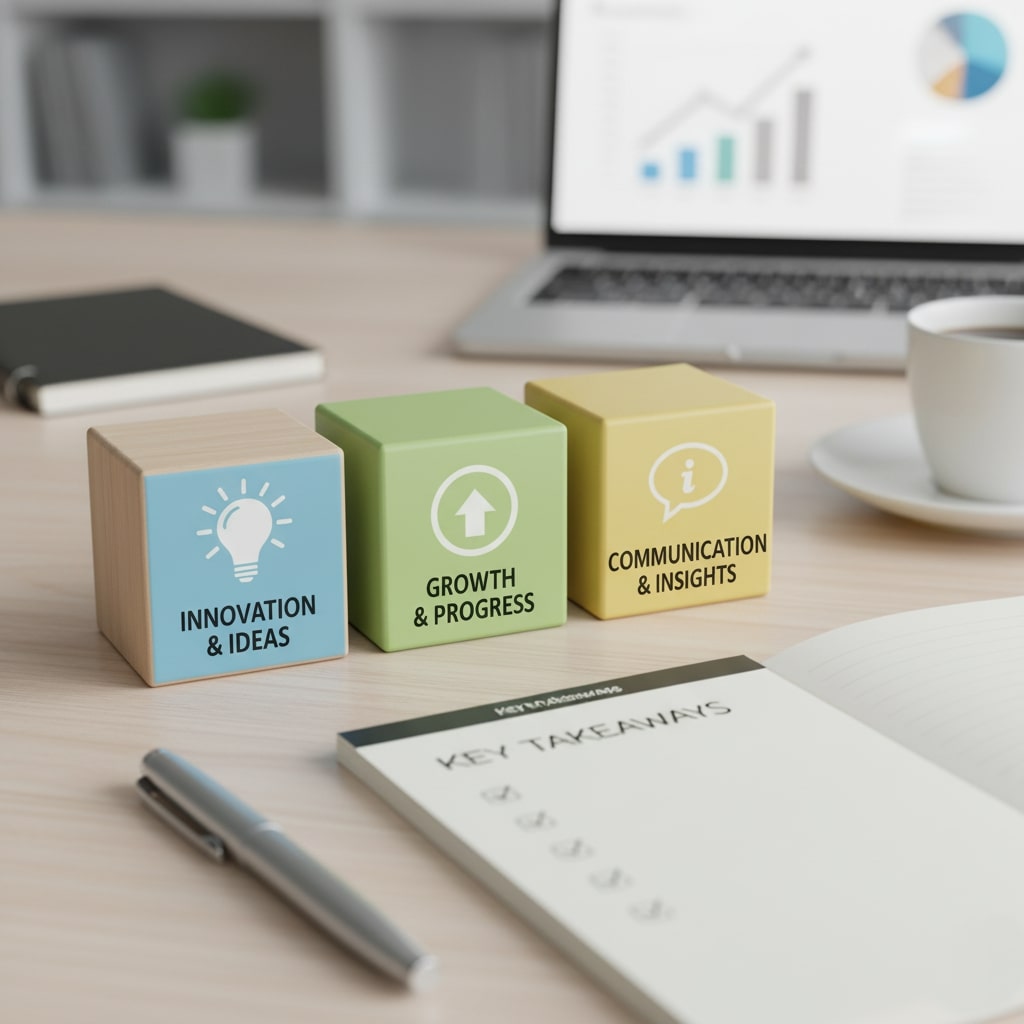
Community events can be a game-changer for local marketing when executed strategically. Remember:
- Set clear, measurable goals.
- Choose events that align with your brand and audience.
- Plan logistics, staffing, and budget meticulously.
- Promote across online and offline channels.
- Engage attendees with interactive experiences and on-site offers.
- Analyze results and maintain post-event communication.
Conclusion
By investing in community events, you tap into the shared values and relationships that define local markets. Start small, track your results, and scale up to make every neighborhood event a marketing success story for your brand.
Community events are a powerful tool for local marketing, offering businesses the chance to connect personally with their audience, build trust, and boost brand visibility. By setting clear goals, selecting the right event type, planning thoroughly, promoting effectively, engaging attendees on-site, and following up strategically, businesses can maximize ROI and create lasting relationships with their community. Investing in these events not only drives immediate results like leads and sales but also strengthens long-term loyalty and positions your brand as a valued part of the local community. Start small, measure results, and scale your efforts to make every event a marketing success.
FAQ:
-
Why are community events important for local marketing?
They create personal connections, increase brand visibility, build local trust, provide immediate feedback, and generate authentic content for social media or blogs. -
How do I choose the right type of event?
Consider your audience, business goals, and format—street fairs, farmers’ markets, workshops, charity events, or in-store open houses. -
What’s essential for event planning?
Secure venue and permits, allocate a budget, train staff, design engaging booths, and offer practical giveaways or incentives. -
How should I promote the event?
Use a mix of online promotion (social media, email, geo-targeted ads) and offline promotion (local partnerships, flyers, press releases, community boards). -
How can I engage attendees on-site?
Offer interactive experiences, lead capture via QR codes, photo/selfie stations, on-the-spot offers, and proactive staff engagement in branded apparel. -
How do I measure event success?
Track leads collected, social engagement, on-site sales, website traffic spikes, and customer feedback to evaluate ROI and optimize future events. -
What follow-up strategies work best?
Use email drip campaigns, retargeting ads, loyalty programs, and early notifications of future events to maintain engagement and encourage repeat visits.



Leave a Reply